Featured
Table of Contents
- – Comprehending EMDR Treatment: Just How It Works
- – The 8 Phases of EMDR Therapy
- – Accelerated Resolution Therapy: Fast-Track Tra...
- – EMDR Intensives: Concentrated Recovery in Comp...
- – Dealing With Anxiety with EMDR and ART
- – Somatic Components of Trauma-Focused Treatment
- – Selecting In Between EMDR and ART for Your Needs
- – What to Get Out Of Trauma-Focused Therapy
- – Discovering Certified EMDR and ART Therapists
Trauma doesn't follow a predictable timeline for healing. Typical talk treatment assists many individuals process hard experiences, yet some memories stay stubbornly immune to conventional methods. Eye Activity Desensitization and Reprocessing (EMDR) and Accelerated Resolution Therapy (ART) have become powerful options for individuals whose injury signs linger regardless of years of therapy. These evidence-based treatments provide pathways to alleviation that can really feel incredibly faster than standard techniques, occasionally producing substantial shifts in just a few sessions.
Comprehending EMDR Treatment: Just How It Works
Anxiety therapyEye Motion Desensitization and Reprocessing stands for a paradigm change in injury treatment. Developed by Francine Shapiro in the late 1980s, EMDR therapy operates on the principle that distressing memories come to be "" stuck"" in the mind's processing system, preserving their psychological cost and activating power long after the initial occasion. Unlike conventional treatment that depends largely on verbal handling, EMDR uses bilateral excitement-- commonly eye movements, faucets, or tones-- to promote the mind's natural healing systems.
The process entails remembering distressing memories while all at once involving in reciprocal stimulation. This twin attention appears to permit the mind to recycle stuck memories, lowering their psychological strength and incorporating them right into more comprehensive life narratives. Customers typically explain the experience as enjoying a film of their trauma that slowly loses its power, changing from a visceral reliving into a farther recollection.
What makes EMDR specifically engaging is the substantial study sustaining its efficiency. The Globe Health Company, American Psychiatric Association, and Division of Veterans Affairs all recognize EMDR as an evidence-based therapy for injury and PTSD. Research studies constantly show that EMDR generates outcomes equivalent to or much better than typical trauma-focused cognitive behavior treatment, commonly in less sessions.
The 8 Phases of EMDR Therapy
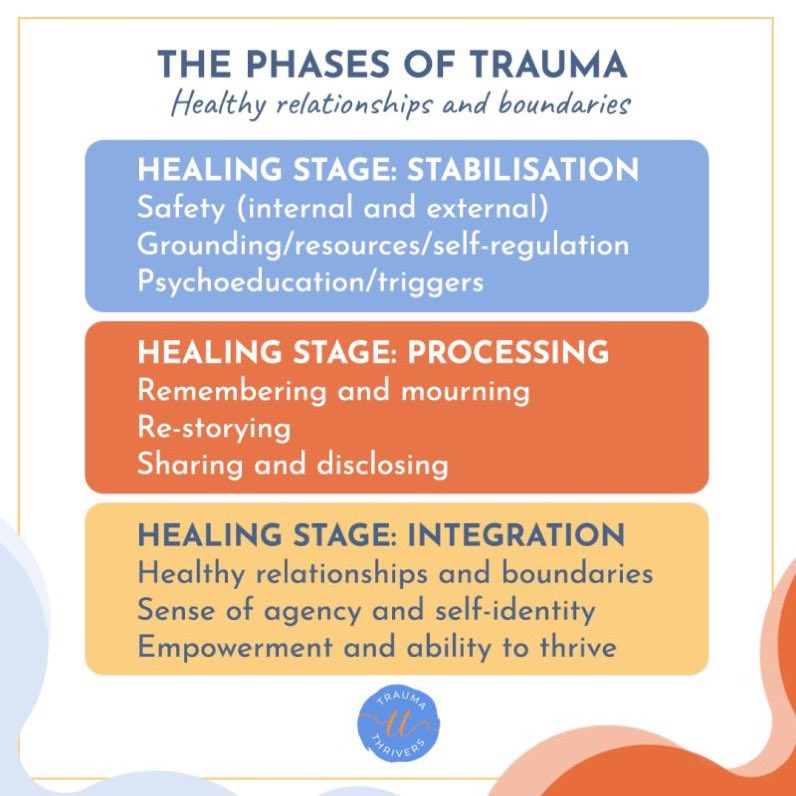
EMDR treatment complies with a structured eight-phase method that makes certain comprehensive therapy. The procedure begins with history-taking and treatment preparation, where specialists recognize target memories and analyze customer readiness for trauma processing. This preparation phase proves important-- therapists teach basing methods and coping abilities that clients can make use of if handling ends up being frustrating.
The evaluation stage includes determining particular memories, unfavorable beliefs associated with those memories, and preferred positive beliefs. A memory of a vehicle crash might bring the unfavorable cognition "" I'm not risk-free,"" which therapy intends to replace with "" I endured and I'm safe currently."" Clients rank their distress degrees and idea toughness, supplying quantifiable markers of development throughout treatment.
Desensitization-- the heart of EMDR-- involves remembering the target memory while adhering to the specialist's relocating hand or engaging with bilateral faucets or audios. Handling proceeds until the memory's psychological charge diminishes significantly. Installation enhances the positive idea, while body check guarantees no recurring physical stress continues to be. Closure and reevaluation phases total each session and evaluate progression gradually.
Accelerated Resolution Therapy: Fast-Track Trauma Handling
Accelerated Resolution Treatment improves EMDR's foundation while presenting one-of-a-kind aspects made to speed up recovery. Developed by Laney Rosenzweig in 2008, ART shares EMDR's use of eye motions yet integrates imagery rescripting strategies that enable clients to psychologically "" transform the network"" on traumatic memories. This method frequently creates remarkable outcomes in extremely brief timeframes-- commonly one to 5 sessions.
The increased nature of ART comes from its direct targeting of sensory memories. Instead of considerable spoken processing, ART concentrates on changing troubling photos with neutral or positive ones while retaining accurate memory of events. A professional might remember the realities of a combat experience without the intrusive nightmares and recalls that formerly gone along with those memories.
ART therapy demonstrates certain effectiveness for single-incident injuries like accidents, assaults, or medical procedures. The protocol permits clients to keep the material of their trauma personal if desired-- therapists do not require thorough verbal summaries to assist in reliable processing. This function attract people unwilling to vocally state painful experiences or those concerned about confidentiality in certain expert contexts.
EMDR Intensives: Concentrated Recovery in Compressed Timeframes
Typical weekly treatment sessions work well for many people, yet some situations ask for more extensive treatment. EMDR intensives condense therapy right into longer, a lot more frequent sessions-- sometimes complete or half-day visits over consecutive days. This format enables much deeper handling without the interruption of returning to day-to-day live in between basic 50-minute sessions.
Intensives especially profit individuals taking care of details distressing events, prep work for significant life changes, or those that have actually plateaued in traditional treatment. The focused format creates momentum that can appear resistance and allow handling that could take months in regular sessions. Traveling from out of state becomes practical when therapy presses into a week or lengthy weekend instead than needing months of routine consultations.
Resilience Currently and similar specific methods typically structure intensives around individual requirements, integrating EMDR with corresponding techniques like somatic treatment or mindfulness techniques. The extensive layout calls for cautious preparation and follow-up assistance to make sure customers can integrate their processing and preserve gains after returning home.
Dealing With Anxiety with EMDR and ART
While EMDR and ART built their online reputations treating injury and PTSD, both methods show performance for stress and anxiety problems also without clear terrible origins. Panic attack, social anxiousness, and generalized anxiousness commonly have origins in earlier experiences that might not qualify as capital-T injury yet nonetheless created lasting patterns of worry and evasion.
EMDR targets the memories, scenarios, and sets off that fuel current anxiousness. A person with social anxiousness may process very early experiences of humiliation or being rejected that established beliefs about being evaluated or poor. As these memories lose their psychological charge through bilateral stimulation, present-day anxiousness signs often lessen significantly.
ART's fast handling makes it especially appealing for individuals whose stress and anxiety hinders job, connections, or high quality of life. The possibility of meaningful relief within a handful of sessions inspires individuals who may or else postpone looking for therapy. Both techniques supply hope that anxiousness does not call for years of management-- it can possibly solve with targeted reprocessing of the experiences that established distressed patterns.
Somatic Components of Trauma-Focused Treatment
Both EMDR and ART identify that trauma lives in the body as much as the mind. Terrible memories often show up as physical sensations-- tightness in the upper body, nausea or vomiting, muscle mass stress-- that linger also when the original risk has passed. Efficient injury therapy addresses these somatic components rather than focusing specifically on thoughts and emotions.
During EMDR processing, clients track physical experiences as memories shift. Stress may at first raise prior to launching, or new feelings might become processing proceeds. Therapists direct focus to these body experiences, allowing them to inform and progress the reprocessing job. The body scan phase especially guarantees that no recurring physical holding patterns stay after cognitive and emotional processing finishes.
This somatic understanding confirms particularly essential for complicated injury, where hypervigilance and physical reactivity ended up being deep-rooted survival feedbacks. Finding out to track and launch body-based trauma responses helps customers recover a feeling of safety and visibility that injury had actually taken.
Selecting In Between EMDR and ART for Your Needs
Both EMDR and ART use effective trauma therapy, but specific aspects may make one preferable for your particular scenario. EMDR's extensive research study base and eight-phase framework appeal to individuals who value completely confirmed strategies and appreciate clearly specified therapy protocols. The technique's adaptability enables adjustment for complex injury, add-on injuries, and ongoing challenging scenarios.
ART's rapid outcomes make it optimal for single-incident trauma, certain fears, or circumstances needing quick resolution. The personal privacy paid for by marginal verbal disclosure benefits some customers, while others might miss the handling that originates from speaking with experiences. Some experts integrate both approaches, utilizing ART for distinct memories and EMDR for more complicated discussions.
What to Get Out Of Trauma-Focused Therapy
Starting EMDR or ART needs readiness to involve with agonizing memories, also as the processing itself minimizes their influence. First sessions concentrate on building resources and making sure ample coping skills exist for handling prospective distress. Quality injury therapists never ever rush right into handling before developing safety and security and stabilization.
The experience of reciprocal stimulation varies-- some individuals hardly discover eye activities or faucets, while others find them originally unusual or disruptive. Most clients adapt rapidly, and the reciprocal component soon fades right into background recognition as processing takes facility phase. In between sessions, new understandings, memories, or emotions may surface as the mind proceeds incorporating material.
Progress does not always follow a straight course. Some sessions produce dramatic changes while others feel slower or more challenging. Trusting the process and maintaining commitment with varying experiences allows the complete advantage of these techniques to emerge. Follow-up sessions evaluate whether handling holds and attend to any continuing to be targets or new material that surface areas.
Discovering Certified EMDR and ART Therapists
Not all therapists providing EMDR or ART have equal training or experience. Fundamental EMDR training needs conclusion of accepted programs, but added assessment, progressed training, and managed technique separate qualified practitioners from absolutely knowledgeable ones. Search for specialists certified by EMDR International Association (EMDRIA) or that've completed comprehensive supervised hours past fundamental training.
For ART, accreditation needs details training in the method and monitored method. The treatment's relative newness contrasted to EMDR suggests fewer specialists supply it, but expanding research assistance continues increasing accessibility. Specialized methods like Strength Now often concentrate specifically on trauma-informed methods, making certain team proficiency in these methods.
During appointments, inquire about certain training, years of experiment the method, and sorts of injury usually treated. A specialist's convenience and self-confidence with the technique matters dramatically-- effective EMDR and ART call for flexibility to adjust methods while maintaining integrity to core principles. The appropriate suit integrates technical knowledge with the relational skills that make all treatment effective.

Table of Contents
- – Comprehending EMDR Treatment: Just How It Works
- – The 8 Phases of EMDR Therapy
- – Accelerated Resolution Therapy: Fast-Track Tra...
- – EMDR Intensives: Concentrated Recovery in Comp...
- – Dealing With Anxiety with EMDR and ART
- – Somatic Components of Trauma-Focused Treatment
- – Selecting In Between EMDR and ART for Your Needs
- – What to Get Out Of Trauma-Focused Therapy
- – Discovering Certified EMDR and ART Therapists
Latest Posts
Spotting the Symptoms You Need Mental Health Care
Restoring Cognitive-Somatic Integration
Uncovering the Journey toward Proven Internal Family Systems Modalities
More
Latest Posts
Spotting the Symptoms You Need Mental Health Care
Restoring Cognitive-Somatic Integration
Uncovering the Journey toward Proven Internal Family Systems Modalities